If your AC runs but the house in Miami still feels damp and warm, you are not alone. Humidity here loads the coil harder than dry climates, so small problems show up as comfort problems fast. Before you assume the compressor failed, walk through a short checklist most homeowners can handle safely.
Start at the thermostat
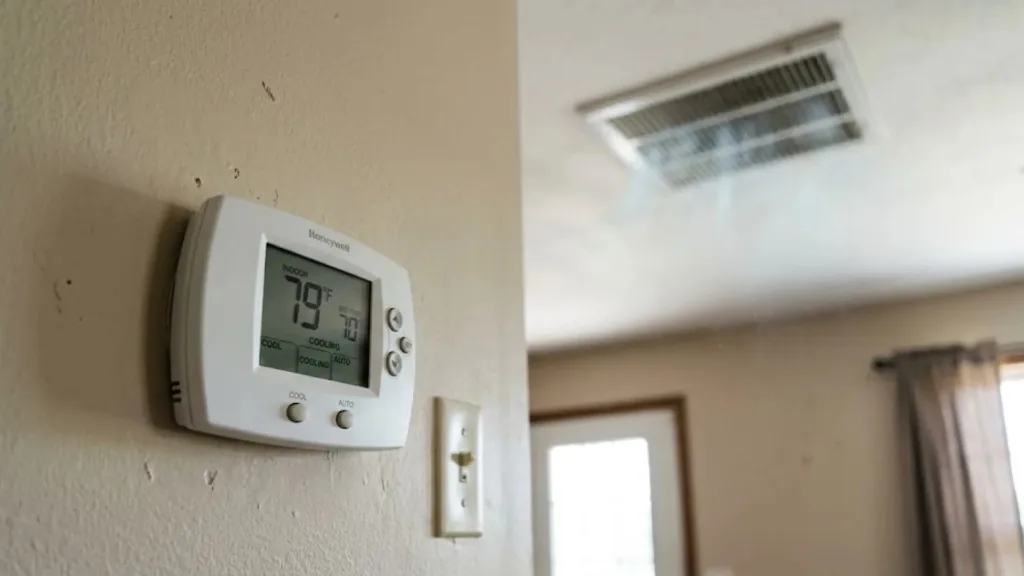
Confirm the system is on Cool, not Fan Only. Drop the setpoint a few degrees below the room reading and wait ten minutes. Smart schedules and “eco” modes override what you expect more often than people admit. If you recently lost power, some thermostats need a reset before they call for cooling again.
Airflow and the filter
A restricted filter is still the top cause of weak cooling we see on service calls. Turn the system off, swap or clean the filter, and check the return grille for blocked furniture or closed dampers. If you see ice on the copper lines, leave it off until the ice melts. Running a frozen system in Miami heat can damage the compressor. For a deeper filter schedule tuned to Florida dust and pollen, see our guide on how often to change your AC filter.
Outdoor unit and condensate
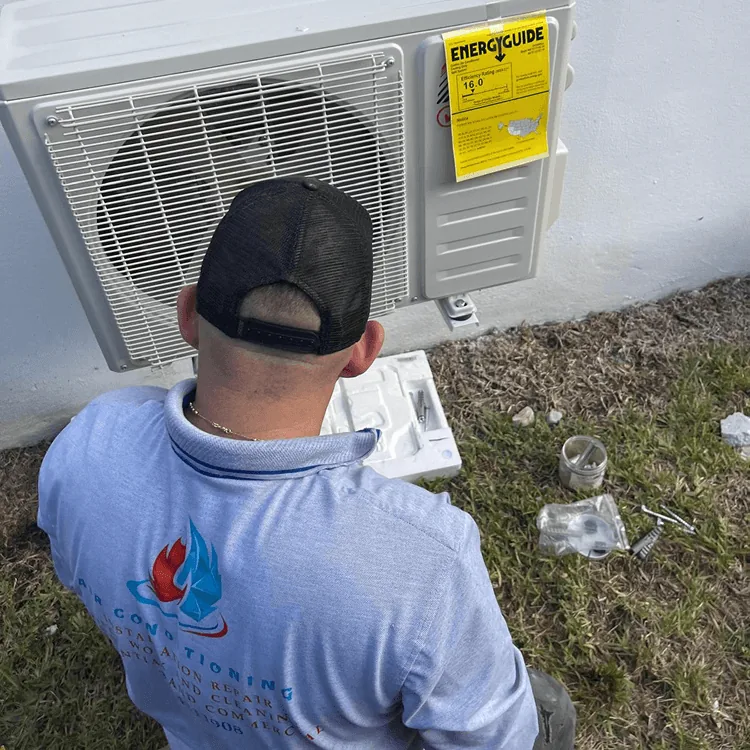
Clear vegetation and storage boxes at least two feet around the condenser. Rinse the coil gently if it is coated with grime, but skip the pressure washer. Inside, a clogged condensate drain can trip safety switches and shut cooling down while the fan still runs. Water stains on ceilings near the air handler are a clue worth acting on the same day.
When to schedule professional AC repair
Call a licensed technician if you still have warm vents after a filter change and thaw cycle, if breakers trip repeatedly, or if you smell burning or chemical odors. Those symptoms go beyond DIY. For same-day decisions, read what counts as an emergency AC repair in Miami. If vents feel cool but weak, also review why an AC blows warm air—the cause is not always the same.
Comfort should recover within a few hours once airflow is restored. If it does not, delaying service usually costs more in energy and worn parts than an early diagnostic visit.
How Miami humidity changes the diagnosis
South Florida air holds a lot of moisture. Your AC has to drop temperature and pull water out of the air at the same time. When airflow drops, the coil can get too cold locally, water freezes, and suddenly you have both weak cooling and ice. That cycle is more common here than in drier cities, which is why we always ask about filter history and return grilles before we talk about compressors.
If some rooms feel fine and others do not, the problem may be duct balance or a stuck damper—not necessarily a failed condenser. Note which rooms misbehave before you call; it saves time on site.
What your electric bill is telling you
A system that runs all day without reaching setpoint often still uses a full day of electricity. Compare this month to the same month last year at similar outdoor temperatures. A jump with no change in thermostat habits usually means efficiency loss: dirty coil, weak capacitor, refrigerant issue, or duct leakage. Our guide on duct leaks and high bills pairs well with this check.
Condo and townhouse quirks
Shared walls, limited roof access, and HOA rules can slow repairs but should not excuse leaving a unit running while iced over. Shut it down, notify building management if water could affect neighbors, and document photos for insurance if ceilings stain. For urgent symptoms, see emergency AC repair in Miami.
Local service, clear next steps
Hopeflex Air Services works across Miami-Dade on residential and light commercial HVAC—repairs, maintenance, replacements, and inspection-related corrections. If this article matches what you are seeing at home, you do not have to guess whether it is serious. Request service online with a short description of symptoms, room temperatures, and when the problem started.
We will tell you what we find, what it should cost to fix correctly, and what can wait. No pressure to replace equipment that still has safe, efficient life left. If you prefer to talk it through, call (786) 338-6236 during business hours.
Keeping a short log of thermostat settings, filter changes, and odd noises helps every visit go faster. Photos of the thermostat screen, outdoor unit, and any water stains give technicians context before they arrive—especially in condos where access windows are tight.