Repair quotes confuse people because the symptom is the same—no cool air—while the failing part varies wildly in price and labor.
Ballpark parts (equipment excluded)
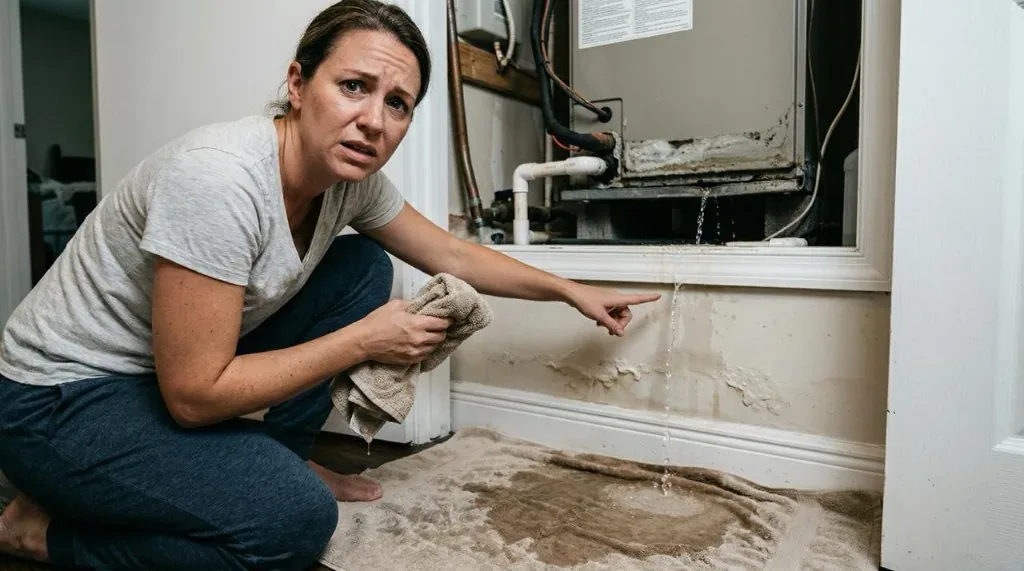
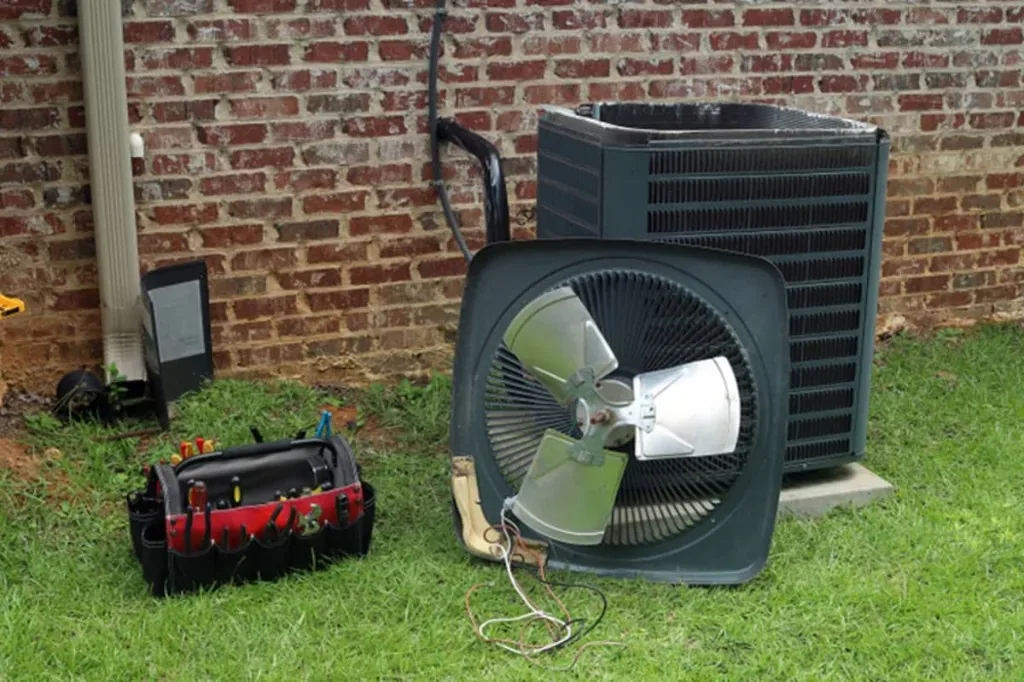
Capacitors and contactors: often a few hundred dollars installed. Condensate safety switches and drain clearing: moderate unless ceiling damage already happened. Refrigerant leak search and repair: higher, especially on older systems. Compressor replacement: sometimes approaches replacement economics—see when to replace.
What raises the bill legitimately
After-hours calls, roof access, tight mechanical rooms, and permit requirements. What should not appear: vague “refill refrigerant” without leak diagnosis.
Compare preventive spend in tune-up pricing and hire licensed pros who itemize parts and labor separately.
Labor vs parts on the invoice
Ask for itemized quotes. Labor rises with difficulty of access, especially rooftop and high-rise units. Parts prices vary by brand and availability.
Warranty and follow-up visits
Clarify warranty length on parts and labor before approving work. Keep invoices for warranty claims and home resale disclosures.
Avoid repeated band-aids
Multiple refrigerant top-offs in one season mean find the leak or plan replacement. Compare spend to replacement triggers honestly.
Local service, clear next steps
Hopeflex Air Services works across Miami-Dade on residential and light commercial HVAC—repairs, maintenance, replacements, and inspection-related corrections. If this article matches what you are seeing at home, you do not have to guess whether it is serious. Request service online with a short description of symptoms, room temperatures, and when the problem started.
We will tell you what we find, what it should cost to fix correctly, and what can wait. No pressure to replace equipment that still has safe, efficient life left. If you prefer to talk it through, call (786) 338-6236 during business hours.
Keeping a short log of thermostat settings, filter changes, and odd noises helps every visit go faster. Photos of the thermostat screen, outdoor unit, and any water stains give technicians context before they arrive—especially in condos where access windows are tight.